Stack products
Electrodialysis stacks that deliver efficiency at scale
Electrodialysis stacks designed and built in-house to support a wide range of industrial processes, with higher efficiency and less downtime than conventional systems.
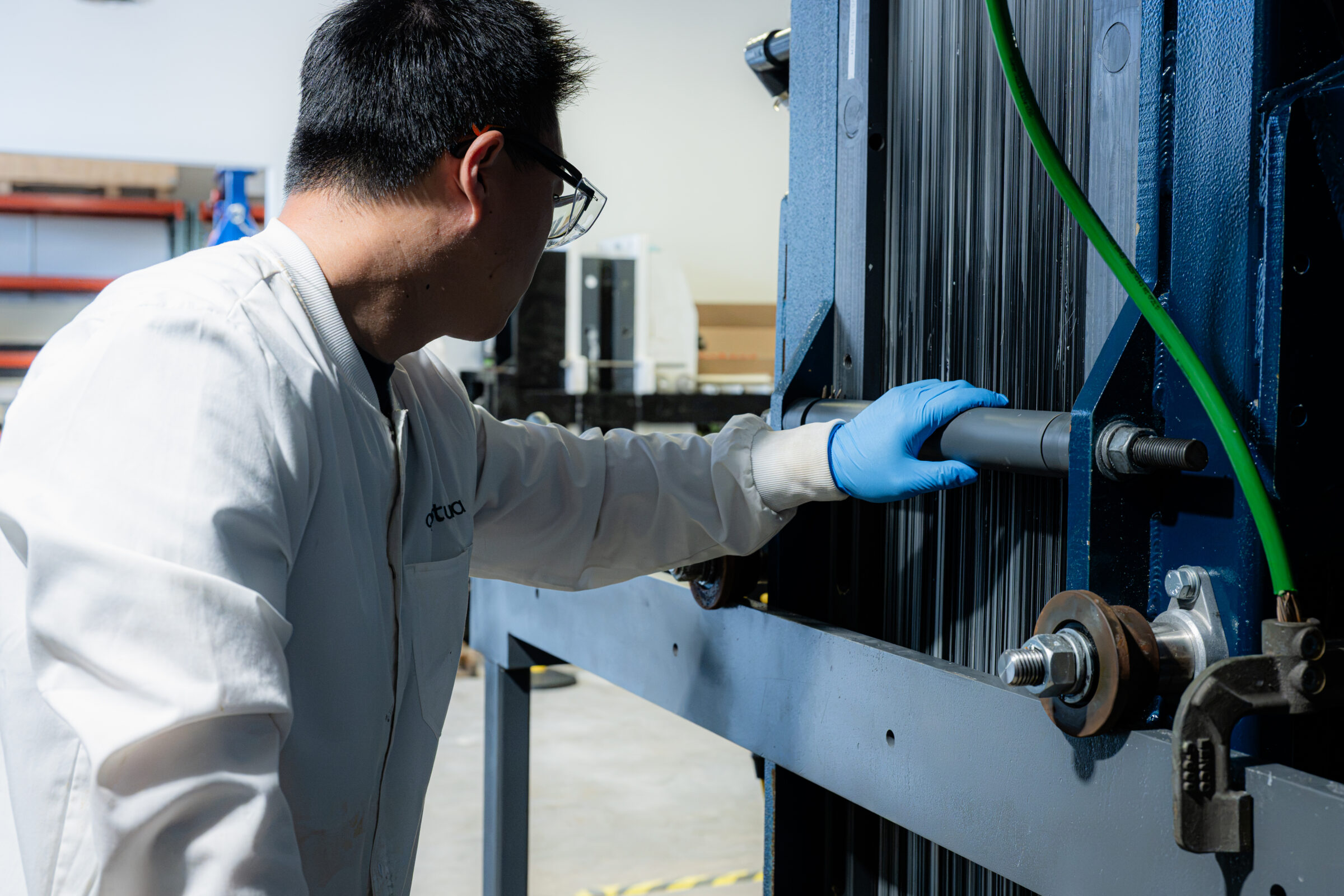

Electrodialysis platform
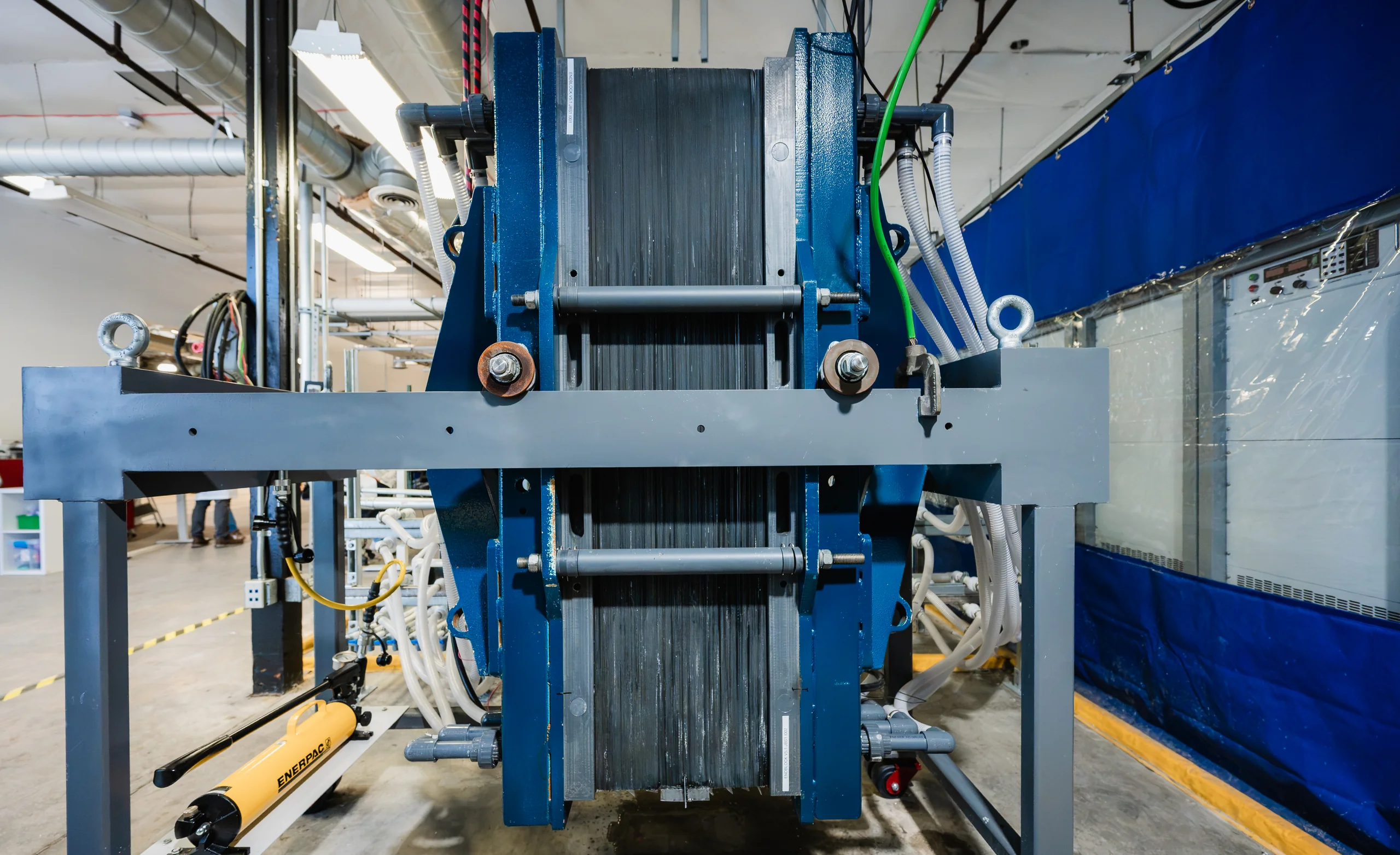
Our BMED platform supports acid and base production, with an ED platform for salt concentration coming soon. Each platform offers multiple stack sizes to support lab, pilot, and commercial applications.
BMED
Bipolar membrane electrodialysis (BMED) stack
Use cases
- Acid & base generation
- Conversion
- Separation
- Long-duration energy storage
Key characteristics
- High efficiency stacks incorporating bipolar membranes, cation exchange membranes, and anion exchange membranes (or custom geometry for your application)
Sizes/offerings
- Lab
- Pilot
- Full
ED
Available soon
Electrodialysis (ED) stack
Use cases
- Concentration
- Salt removal
- Separation
Key characteristics
- To be published on release
How it drops in
Designed to connect with your process
Captura stacks are designed to integrate seamlessly with your existing infrastructure, connecting with your feed and product streams to support chemical recovery and reuse. We work with your team to select the membranes and stack configuration that match your feed, product targets, and operating requirements — so each stack is built for your process.
Made in the US
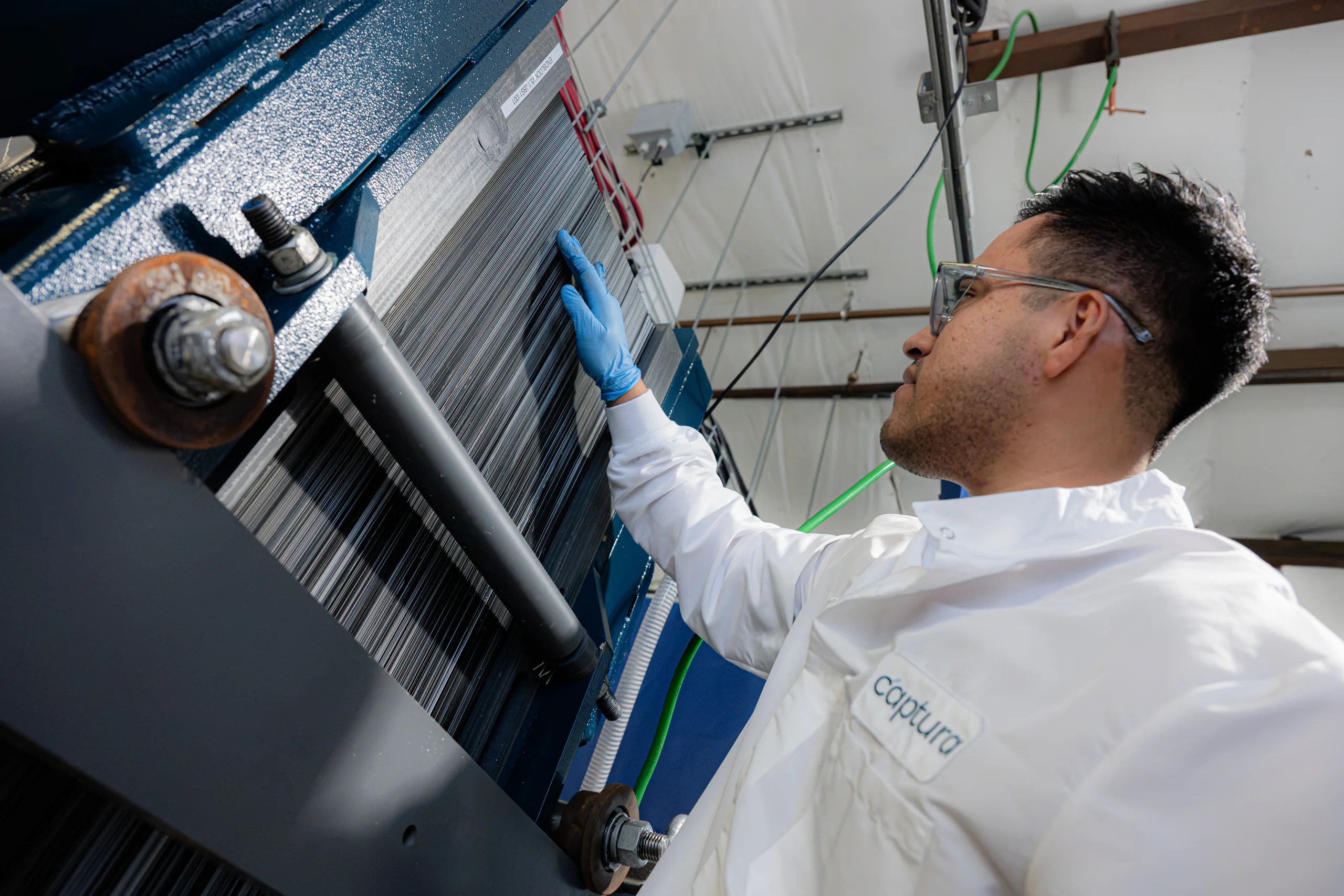
Assembled and tested in California
- Stacks assembled in California
- Membranes cast roll-to-roll in the US
- Vertically integrated
- No tariff exposure
Integrated systems
Beyond the stack: we can deliver the whole system
If your project calls for a complete system rather than membranes or a stack you integrate yourself, we can deliver that, including pretreatment, post-treatment, pumps, and controls built around your stack. Our team assembles and commissions a full system that’s configured to your process requirements.
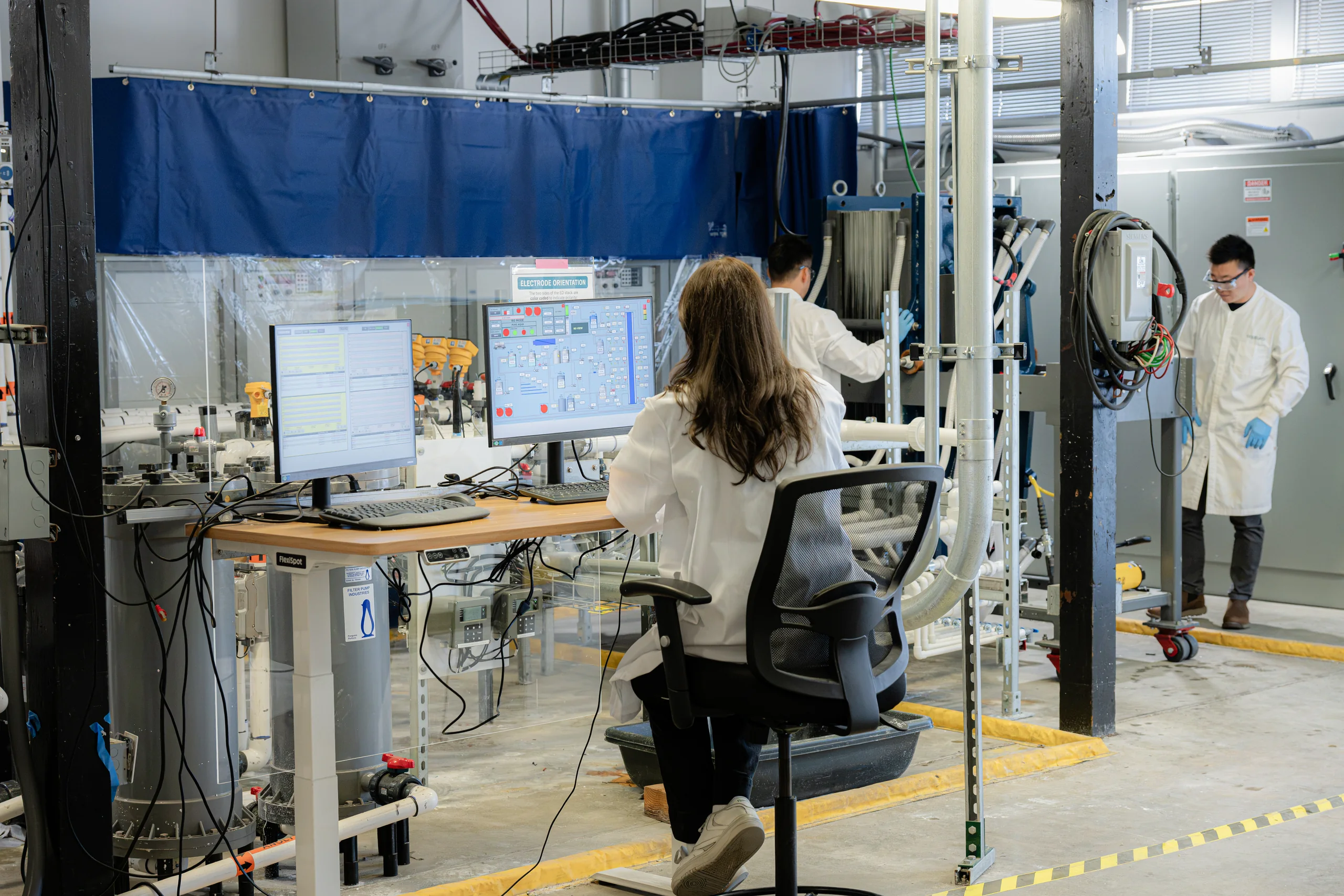
How our stacks compare
Powered by Captura’s proprietary membranes, our BMED stacks deliver high performance with low energy consumption.
| Captura stacks | Conventional | |
|---|---|---|
| Capacity | Higher capacity per stack | Lower capacity |
| Energy efficiency | Lower energy consumption | Higher energy usage |
| Membrane integration | Designed around the membranes we make | Built for a generic membrane |
| Membrane sourcing | Fully in-house production for a more reliable supply chain | Third party supply = supply chain delays |
| Origin | US-made | Typically imported |
| Vertically integrated? | Yes | Not typically |
| Cost over service life | Lower cost materials and higher efficiency systems. | Higher, driven by energy draw and maintenance frequency, along with higher cost of the membranes and membrane performance. |

Not seeing what you need?
We can tailor stack solutions to your application
We work with customers to evaluate new applications and find the best fit within Captura’s existing stack platform. When application needs extend beyond our current offerings, our in-house stack design and vertically integrated manufacturing let us adapt stack configurations—or develop new ones—from initial evaluation through validation and scale-up to production.
One Platform. Many Applications.
Our flexible electrochemical platform is engineered to support diverse chemistries, operating conditions, and applications for a broad range of industries. Across these markets, it can help customers extract valuable materials, transform waste streams into products, build more circular processes, and store renewable energy.
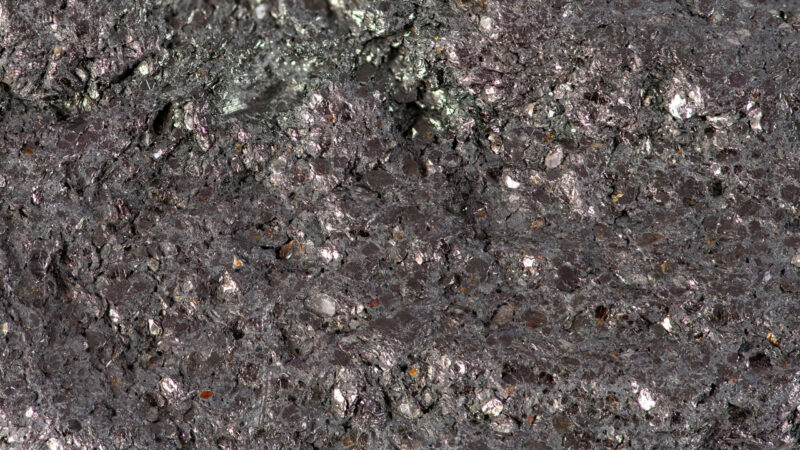

Lithium & Critical Minerals
Learn more

Water Treatment & Desalination
Learn more

Chemicals & Industrial
Learn more

Carbon & Emerging Tech
Learn more

Long-Duration Energy Storage
Learn moreCommon Questions
What capacities are available?
The BMED stack is available in three sizes, lab-, pilot-, and full-scale. Each size is configurable within a range for cell count. Tell us your throughput target and our technical experts will size it with you.
How do stacks integrate with existing lines?
Captura stacks are designed for seamless integration with your existing process infrastructure. Our technical experts work with your team to align stack sizing, stream connections, and control requirements with your facility — simplifying installation and startup.
What maintenance is required?
Membrane replacement is the primary maintenance event, typically on a two-to-three year cycle depending on operating conditions and process chemistry. The stack hardware is designed for 10+ years of service. Because stacks are modular, swaps are quick, and in multi-stack installations, one stack can be taken offline and replaced while the rest keep running, so your process doesn’t have to stop.
Expert to expert
Sizing a stack for your process?
Share your throughput and integration constraints. We’ll help you find the right stack configuration.