Markets overview
Powering innovation across industries
We support diverse chemistries and industries, partnering with your team to solve process challenges and unlock new opportunities.
Markets we support

Lithium & Critical Minerals
Jump to critical minerals

Water Treatment & Desalination
Jump to water

Chemicals & Industrial
Jump to chemicals

Carbon & Emerging Tech
Jump to carbon

Long-Duration Energy Storage
Jump to energyLithium & Critical Minerals
Direct lithium extraction and other critical mineral processing both depend on a continuous supply of acid and base reagents. Procuring that reagent from external suppliers makes your operation dependent on bulk chemical transport, which introduces freight costs, hazardous material handling, and exposure to delivery delays or supply chain uncertainty.
We partner with you to generate that acid and base on site and at a low cost, converting the salts in your process stream to create the reagent your process depends on. Making reagent from your own waste salts also introduces circularity into your process, reducing waste volumes and supporting more sustainable operations.
Technology capabilities
- Generate acid and base reagents on site
- Convert lithium salts to battery grade products
- Concentrate dilute streams before downstream steps
- Valorize waste streams
Use cases
Water & Desalination
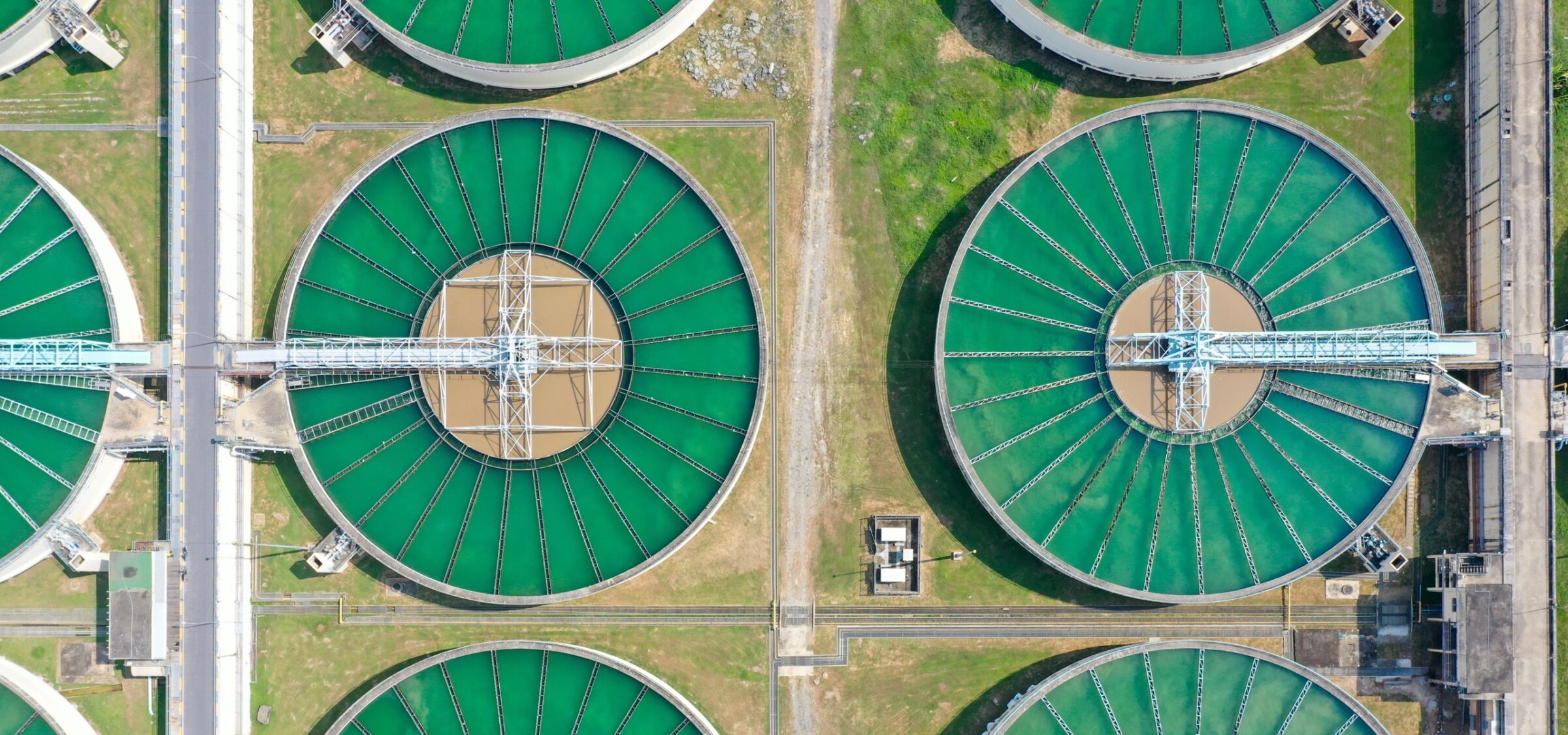
Water treatment and desalination facilities rely on purchased chemicals for pH control and pretreatment while managing costly brine and wastewater disposal. Captura’s BMED technology converts suitable salt-rich waste streams into usable acid and base reagents for on-site operations or supply to local industry. This supports process circularity, reduces chemical purchases and can help lower waste volumes and disposal costs.
Technology capabilities
- Generate acid and base reagents on site
- Recover value from waste streams
- Concentrate brine to reduce disposal volume
Use cases

Chemicals & Industrial Processing
Process chemicals, pH control, and neutralization duty represent a recurring cost center in most industrial plants: acid and base reagents are sourced externally at a high price and spent chemistry must be properly disposed of. We work alongside your team to integrate our technology into your existing process line, allowing you to generate reagents on site from your waste streams.
Technology capabilities
- Replace outsourced acid and base reagents with in-loop generation
- Handle pH control and neutralization duty
- Close streams that currently leave the plant as waste
Use cases
Carbon & Emerging Technologies
Controlled pH swings can enable CO2 capture and release, sorbent regeneration, and carbon conversion. Captura’s bipolar membrane electrodialysis technology generates the pH swing needed to drive these processes, with energy-efficient membranes and stack configurations selected for each application. Our ion-exchange membranes also support a broader range of low-carbon, energy storage, and electrochemical technologies that rely on ion transport or pH control.
Technology capabilities
- Delivers the pH swing that sorbent regeneration and capture/release cycles depend on
- Converts captured carbon into a usable product
- Membrane and stack development for emerging technologies
Use cases

Long-Duration Energy Storage
Rising electricity demand and expanding renewable generation are increasing the need for energy storage solutions that can bridge extended supply gaps and make better use of renewable resources. Captura’s bipolar membrane electrodialysis technology enables acid-base flow batteries that store electricity as acid and base solutions in tanks, delivering power on demand. Our proprietary bipolar membranes are designed to minimize energy losses during charging and discharging, supporting a pathway to high round-trip efficiency in multi-day storage systems.
Technology capabilities
- Independent sizing of power and energy capacity for cost-effective multiday storage
- Rapid, low-cost expansion of energy storage capacity by simply adding inexpensive tanks
- Negligible self-discharge by design for long hold times
- Non-flammable aqueous chemistry with no thermal runaway risk and minimal thermal management requirements
- Electrode-less architecture that avoids reliance on critical minerals
- Abundant materials and simple chemistry support deployment across a broad range of geographies and use cases
Use cases
The proof
Proven technology. Engineered for confidence.
Captura’s proprietary membrane chemistry and stack architecture are built on patented technology, independently validated.
Backed by validated performance data
- 20,000+ hours of combined testing and validation data, from materials-level R&D through full-scale operation
- 40+ customers have tested, piloted, or deployed our membranes and stacks
- Up to 2.5x unit productivity with fewer membranes and stacks required for the same output
Common Questions
How do I know if my process is a fit?
Our platform is a strong fit if your process involves any of the following:
- You require a steady supply of acid or base reagents and have a brine waste stream
- You need to convert one chemical species into another, such as a chloride salt into a hydroxide
- Your process produces a dilute stream that needs to be concentrated before disposal or further processing
What feed chemistries have you run?
Captura’s electrodialysis technologies support a range of feed chemistries including chloride-, sulfate-, and carbonate-based chemistries. These chemistries can come from a range of sources, including lithium and critical mineral processing, industrial operations, seawater and desalination brines, produced water, geothermal resources, and carbon capture systems.
Our technical team can evaluate your feed composition and process objectives to assess suitability and recommend testing for your application.
Expert to expert
Ready to evaluate Captura for your process?
Our technical experts are here to help you develop and scale new technology for your process.